At AllPro Wraps, we’ve worked with paint protection film long enough to see how it fits into real vehicle ownership, not just showroom scenarios. For many drivers in Raleigh, paint protection film is a practical, long-term solution to preserve paint against everyday exposure, commuting, and changing road conditions across the Triangle area.
Whether you’re driving daily on I-40, navigating I-440 during peak traffic, or parking outdoors near residential neighborhoods with heavy tree coverage, paint protection film quietly absorbs the wear your paint would otherwise take directly. It’s not about keeping a car perfect forever, it’s about slowing down inevitable wear in a way that makes ownership easier and more predictable over time.
That said, even the best-installed film doesn’t last forever.
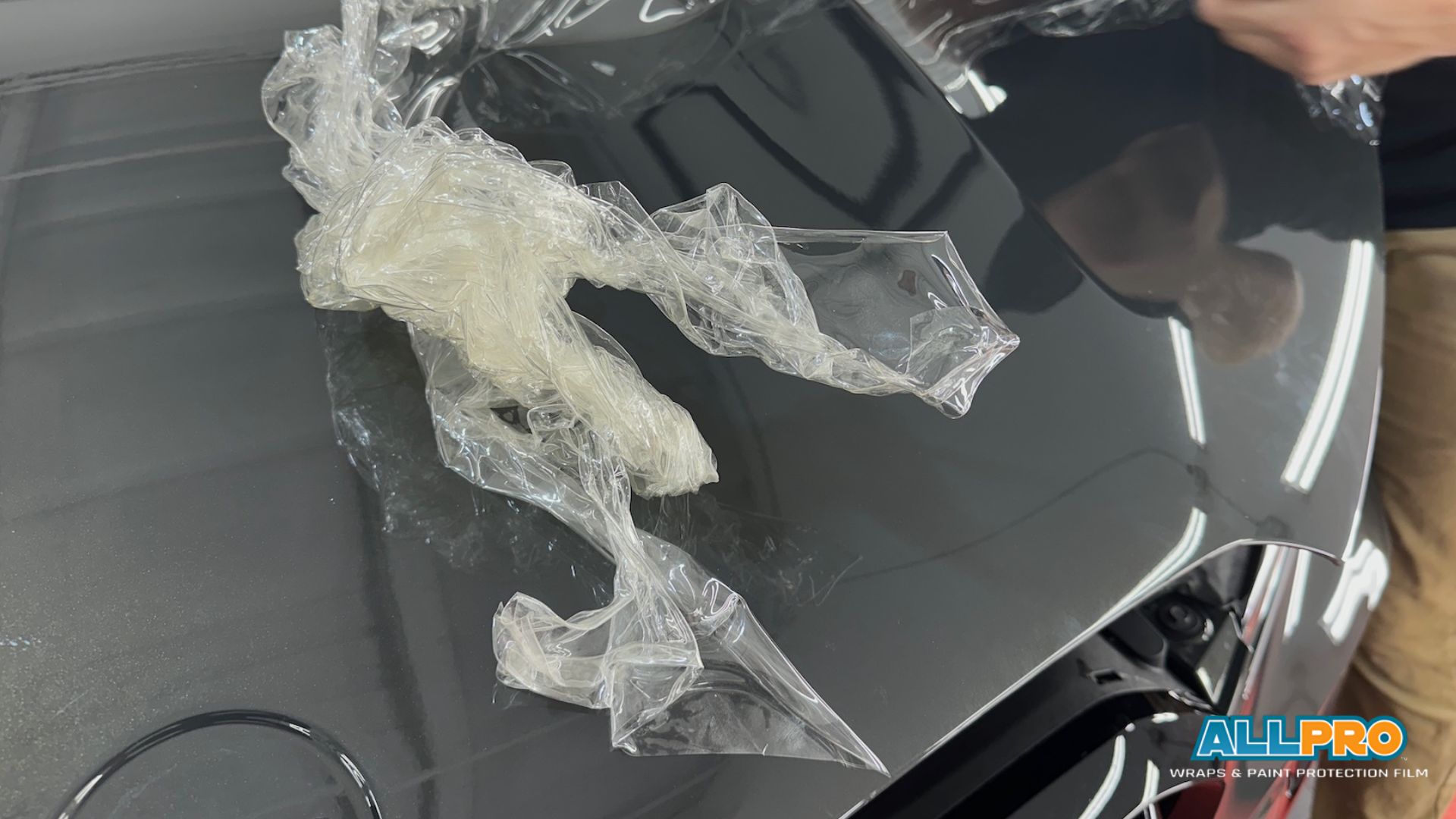
High-quality paint protection film is designed for durability, but time, mileage, and local environmental factors eventually take their toll. In Raleigh, extended sun exposure, high humidity, pollen season, road debris from ongoing construction, and daily highway driving all contribute to gradual aging. Over the years, the film can begin to lose flexibility, clarity, or adhesion, leading to what we commonly refer to as Damaged PPF.
In this article, we want to set clear expectations. Removing damaged PPF is not about rushing to peel film off your car. It’s about understanding why removal method matters, what risks exist when it’s done incorrectly, and how proper paint protection film removal helps preserve the paint underneath rather than creating new problems.
Everything here comes from firsthand experience. We install, inspect, maintain, and remove paint protection film on vehicles we see every day, including our own. We’ve dealt with old installations, heat-aged film, and adhesive failures, and we know exactly how much difference the removal process makes in the final result.
Understanding What Damaged PPF Really Looks Like
When most people think of Damaged PPF, they picture film that’s clearly peeling or cracking. In reality, damage often starts much earlier and is far more subtle.
Some of the most common signs we see include:
- Yellowing or discoloration that becomes noticeable in direct sunlight
- Loss of gloss compared to surrounding painted panels
- Edges that feel brittle or stiff instead of flexible
- Small bubbles or lifting around curves, seams, or high-impact areas
- Film that looks cloudy rather than clear
It’s important to understand the difference between normal aging and actual film failure. Paint protection film naturally changes over time as it absorbs UV exposure and environmental contamination. Light texture changes or slight dulling can be part of that process. Film failure, on the other hand, happens when the material or adhesive begins breaking down in a way that affects both appearance and removability.
Raleigh’s environment plays a major role here. Long summers with intense sun exposure accelerate UV breakdown. Humidity can affect adhesive stability over time. Pollen, tree sap, and airborne contaminants settle onto the film for months at a time, especially for vehicles parked outdoors. Add frequent highway driving on I-540 or I-440, and the front end sees constant impact from debris that slowly wears the film’s surface.
You’ll often hear terms like old paint protection film, failing PPF, or worn protective film used interchangeably. While they describe different stages of wear, they all point to the same reality: at some point, the film stops protecting and starts becoming a liability if it’s not removed properly.
Why Proper Removal Matters More Than Most People Expect
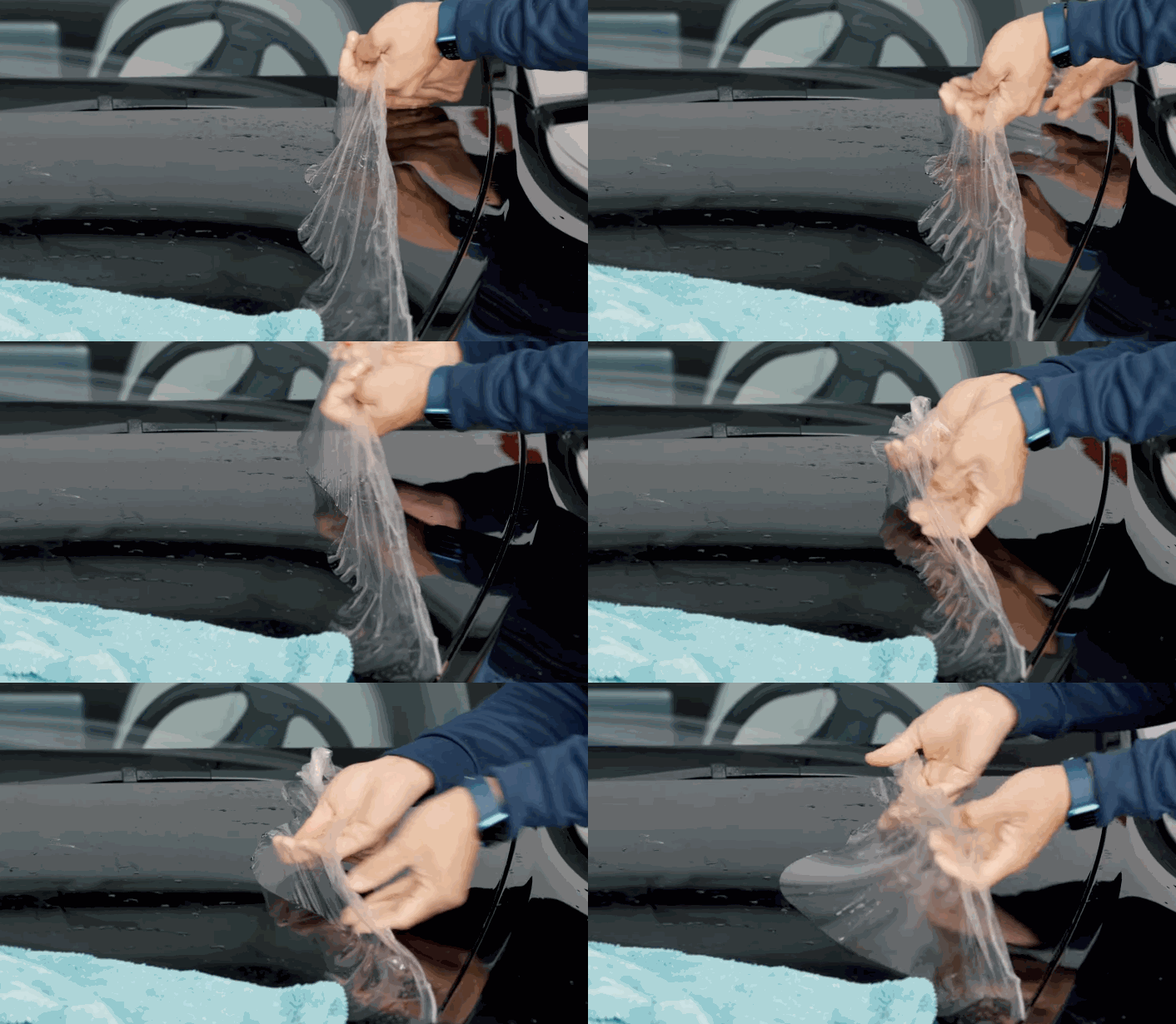
One of the biggest misconceptions we encounter is the idea that removing paint protection film is simple. In reality, improper removal is one of the fastest ways to turn a protective product into a paint problem.
When damaged PPF is pulled incorrectly, several issues can occur:
- Adhesive residue left behind that bonds aggressively to the clear coat
- Clear coat lifting or micro-tearing, especially on older or repainted panels
- Uneven paint appearance caused by heat damage or stretching
- Staining where adhesive reacts with prolonged heat
Modern automotive clear coats are thinner and more sensitive than many people realize. They’re engineered for durability, but not for aggressive scraping or uncontrolled heat. That’s why paint protection film removal requires careful temperature control, proper technique, and constant evaluation of how the film is reacting during removal.
This process is technical, not cosmetic. It’s not just about getting the film off, it’s about managing how the adhesive releases and how the paint responds underneath. Two vehicles with the same film can behave very differently during removal depending on age, exposure, and previous maintenance.
When removal is done correctly, it protects long-term paint health and preserves the vehicle’s value. When it’s rushed or mishandled, the damage often doesn’t show immediately, but becomes visible weeks or months later, once residue cures or clear coat issues surface.
Common Mistakes People Make When Removing Old Paint Protection Film
We understand why many vehicle owners consider removing old paint protection film themselves. The intention is usually good, but the execution is where problems start.
Some of the most common DIY mistakes include:
- Using household tools like razor blades or plastic scrapers that apply uneven pressure
- Applying excessive heat without monitoring surface temperature
- Pulling the film too quickly or at the wrong angle
- Attempting removal in cold or uncontrolled environments
- Treating damaged PPF the same way as newer film
Old or damaged PPF behaves very differently than fresh installations. As film ages, it loses elasticity and adhesive stability. What once lifted smoothly can now tear, stretch, or leave adhesive behind in patches. Excessive heat might seem helpful, but too much can soften clear coat before the adhesive releases.
The most frustrating part is that many removal mistakes aren’t obvious right away. Adhesive residue can look clean initially, only to darken over time. Clear coat stress might not show until sunlight hits the panel at the right angle. By the time the issue becomes visible, correcting it is far more complex.
That’s why we always approach paint protection film removal with patience and precision. The goal isn’t speed. It’s leaving the paint in the best possible condition once the film is gone.
Professional Techniques Used to Remove Damaged PPF Safely
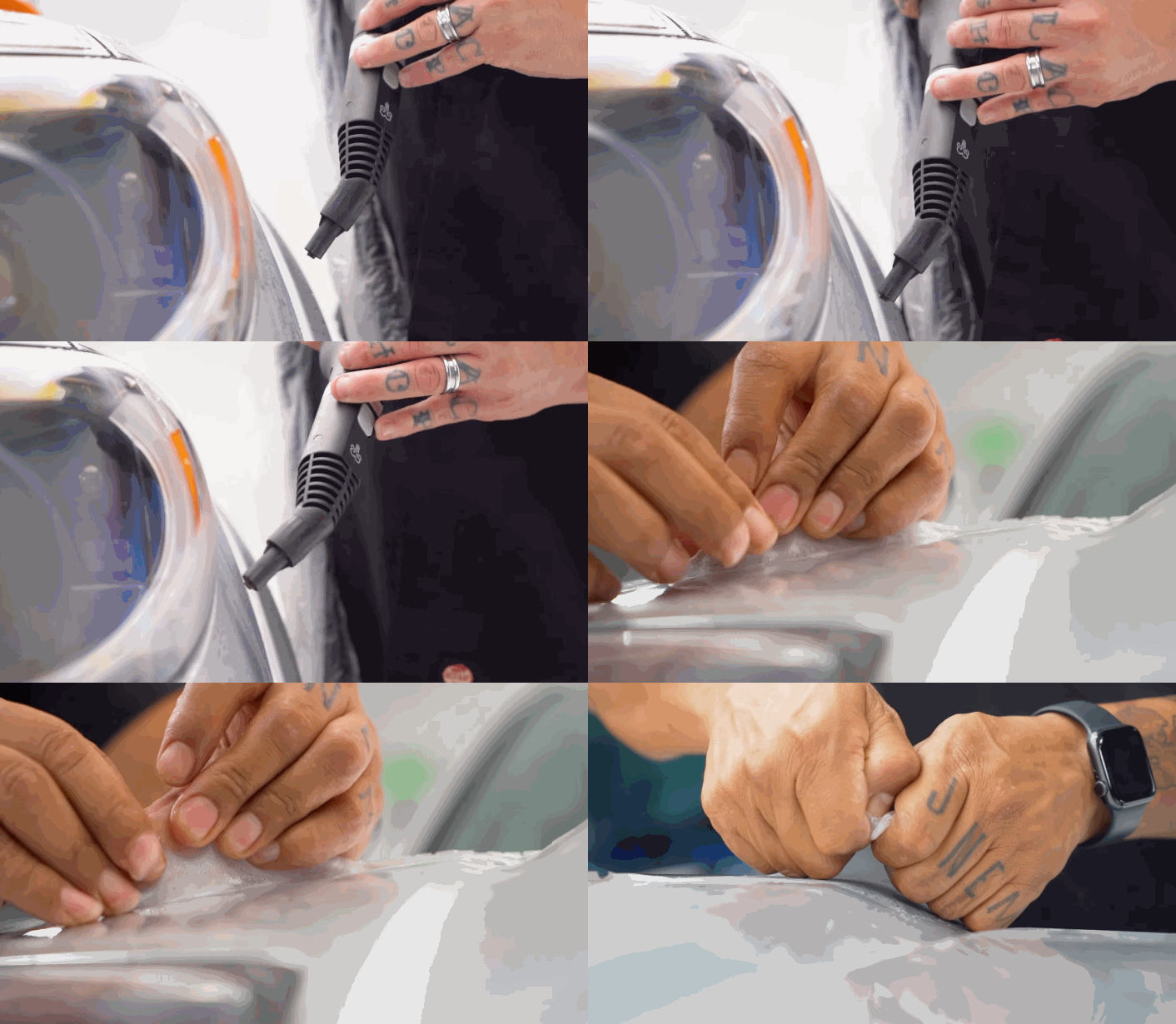
When we talk about professional PPF removal, what we really mean is controlled, deliberate work based on how paint protection film behaves over time, not shortcuts. Removing Damaged PPF safely is about managing three variables at once: heat, adhesive response, and paint condition.
From a professional standpoint, heat is used strategically, not aggressively. Controlled heat allows the adhesive to soften gradually so the film releases instead of tearing or separating unevenly. Too little heat can cause brittle film to fracture, while too much heat can stress the clear coat underneath. Experience is what allows that balance to be maintained throughout the process.
Adhesive management is just as important. Older paint protection film often leaves behind residue that cannot simply be wiped away. Professionals evaluate how the adhesive is breaking down and adjust removal pace and technique accordingly. This prevents smearing, staining, or bonding residue deeper into the paint surface.
Surface evaluation happens continuously during safe PPF removal. As sections of film come off, the paint is inspected for clear coat integrity, contamination, and texture changes. This ongoing assessment is what prevents small issues from becoming permanent damage.
Older installations require an even higher level of care. Aged paint protection film reacts differently depending on exposure history, mileage, and storage habits. That’s why experience matters. Knowing how older film behaves allows the removal process to be adjusted panel by panel rather than treated as a one-size-fits-all job.
Raleigh Driving Conditions That Accelerate PPF Wear
Raleigh drivers put their vehicles through a unique combination of environmental and road-related stress that directly affects paint protection film longevity.
Daily commuting on I-40, I-440, and I-540 exposes front bumpers, hoods, mirrors, and rocker panels to constant debris impact. These highways see heavy traffic flow, frequent lane changes, and a mix of passenger vehicles and commercial trucks, all of which increase airborne debris hitting the film.
Seasonal factors add another layer:
- Prolonged summer heat accelerates UV exposure and material aging
- High humidity affects adhesive stability over time
- Winter brings road debris, gravel, and residue from wet conditions
- Ongoing construction zones introduce dust and sharp particulate matter
Raleigh’s rapid growth has also increased traffic density. More vehicles on the road means more tire kick-up, more construction, and more stop-and-go driving that puts stress on high-impact zones protected by paint protection film.
Because of these factors, Damaged PPF is not unusual for local drivers, even when the film was originally installed correctly. Wear isn’t a sign of failure, it’s a sign the film has been doing its job in a demanding environment.
What to Expect After Old or Damaged PPF Is Removed
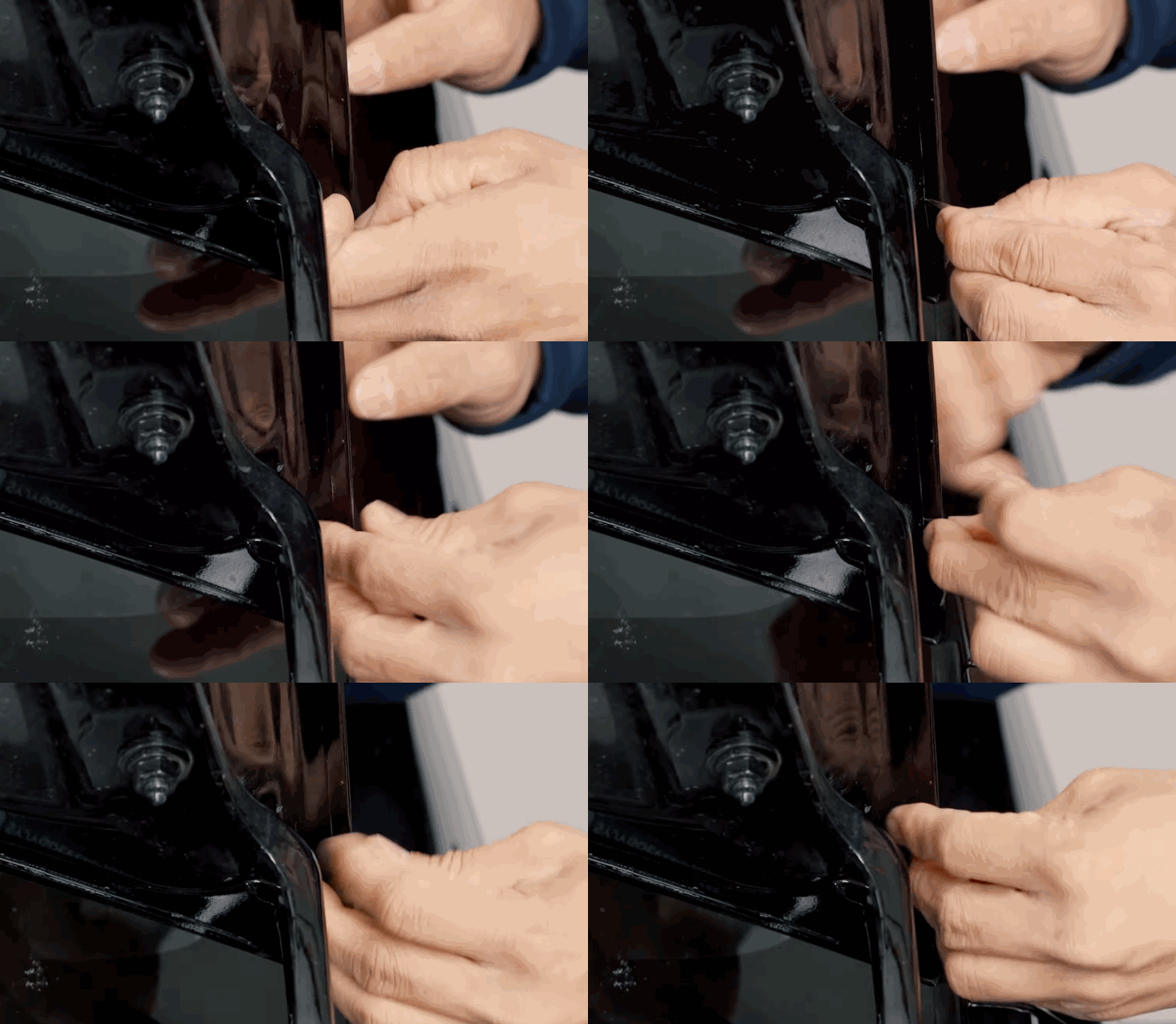
When removal is done correctly, most vehicle owners are surprised by how well the paint underneath has been preserved. That’s the entire purpose of paint protection film, to take the damage so the paint doesn’t have to.
Typically, the paint appears:
- More consistent in color compared to exposed panels
- Free of the rock chips and etching seen elsewhere on the vehicle
- Structurally sound with intact clear coat
Adhesive cleanup is part of the process, not an afterthought. Residue is addressed carefully to avoid scratching or dulling the surface. Once clean, the paint may undergo light surface refinement to remove minor impressions left by the film edges or environmental buildup.
Inspection after removal is critical. Before any new paint protection film is installed, the surface needs to be evaluated for paint condition, contamination, and uniformity. Skipping this step can compromise the performance and appearance of a new installation.
It’s also important to set realistic expectations. Paint protection film preserves paint, but it doesn’t reverse aging or correct existing paint defects. Proper removal leaves the paint healthy and ready for its next phase, not artificially perfect.
When Replacement Paint Protection Film Makes Sense
Removing old or Damaged PPF doesn’t automatically mean new film must be installed. Replacement decisions should be based on how the vehicle is used moving forward.
Reinstalling paint protection film often makes sense when:
- The vehicle is still a daily driver in Raleigh traffic
- Highway commuting remains part of regular use
- The owner plans to keep the vehicle long term
- Front-end protection has already proven its value
On the other hand, some owners choose removal without replacement due to changes in driving habits, shorter commutes, or upcoming vehicle sale. Both decisions are valid when made intentionally.
When replacement is the right move, a new paint protection film installation builds on the preserved paint underneath, extending protection even further. It’s a continuation of smart ownership rather than a reset.
Long-term vehicle protection isn’t about always adding more. It’s about making informed decisions based on real use, real roads, and realistic expectations, especially in a driving environment like Raleigh.
Choosing a Local Professional for PPF Removal in Raleigh, NC
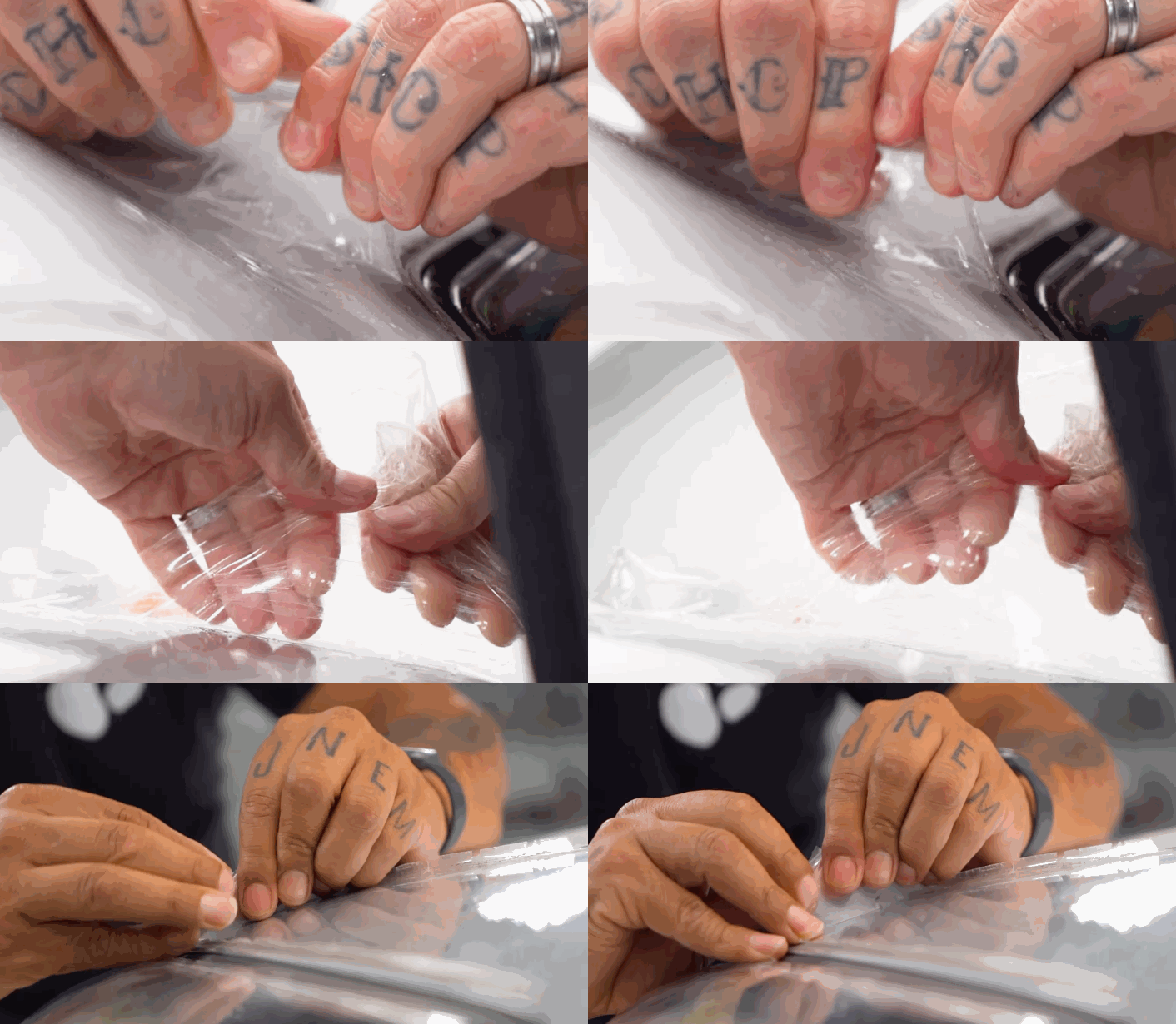
Not all paint protection film removal is the same, and choosing the right local professional makes a measurable difference in how your vehicle looks afterward. When evaluating a provider in Raleigh, the focus should go beyond basic installation experience and into real familiarity with Damaged PPF and aging film.
A qualified local provider should demonstrate:
- Direct experience removing older paint protection film, not just installing new film
- An understanding of how different films age under North Carolina heat and humidity
- The ability to evaluate paint condition before, during, and after removal
- A process that prioritizes paint preservation over speed
Experience with damaged PPF matters because older film behaves unpredictably. Adhesives break down differently depending on sun exposure, mileage, and storage habits. A team that has handled hundreds of removals knows how to adjust technique in real time rather than relying on a single approach.
Local knowledge also plays an important role. Raleigh’s climate, seasonal pollen, frequent construction, and high-traffic highways create wear patterns that out-of-area providers may not account for. Professionals familiar with these conditions understand where film typically fails first and how that impacts safe removal.
At AllPro Wraps, this is work we handle regularly. We see the long-term effects of Raleigh driving on paint protection film, and that experience allows us to approach each removal with context rather than assumptions. The goal is always the same: protect the paint and preserve future options for the vehicle.