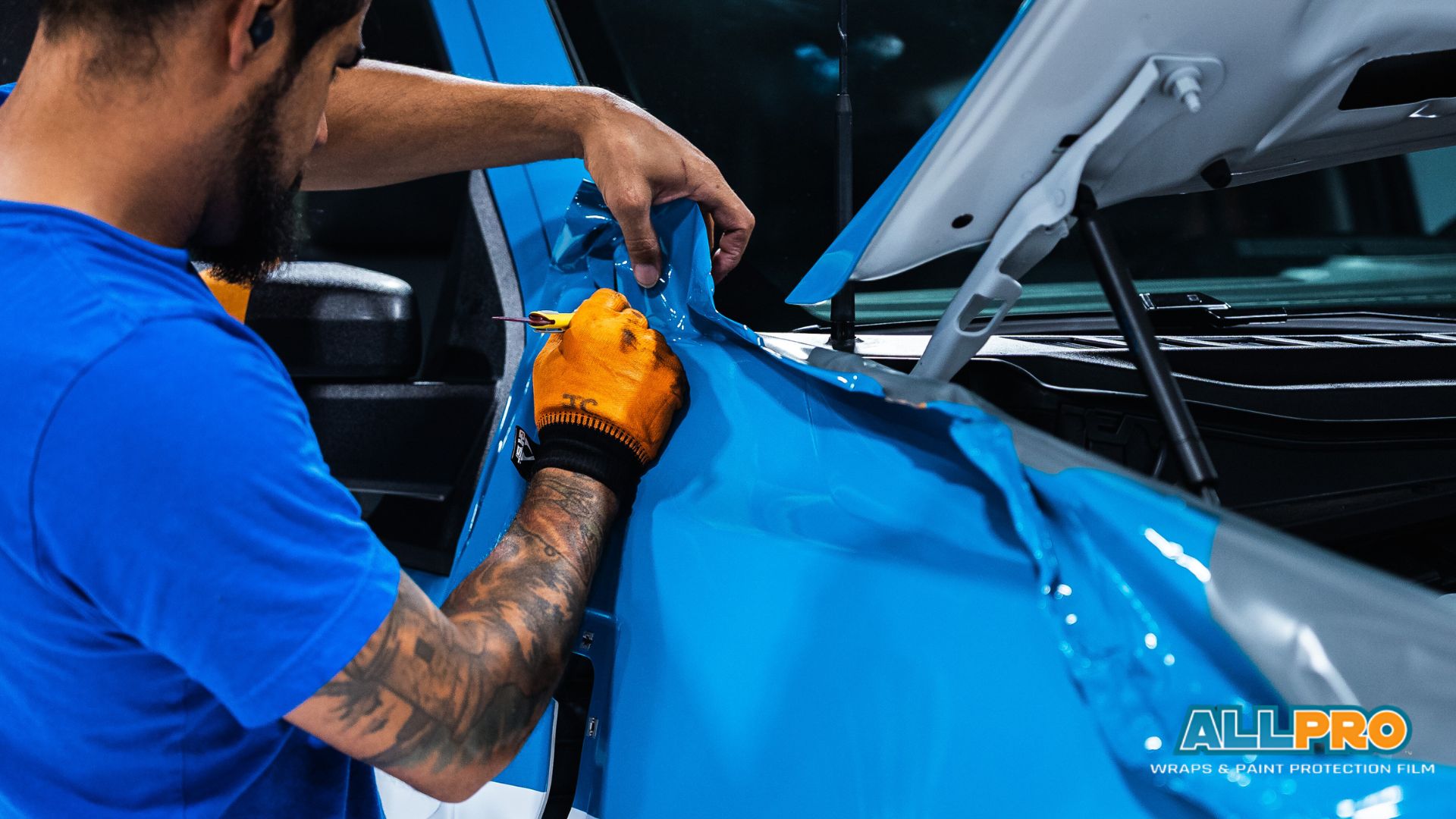
The cost of a professional vinyl wrap in Raleigh varies considerably depending on the vehicle, coverage, material, and complexity of the installation. Partial wraps generally represent a smaller investment, while complete color changes and specialty projects fall toward the higher end of the market.
Vehicle size is only part of what determines the final quote. Body complexity, existing paint condition, total coverage, material selection, finish, and installer experience can all influence how much labor and vinyl a project requires. Two similarly sized vehicles can have noticeably different installation requirements because of their body designs.
For Raleigh drivers comparing options, the most useful way to understand vinyl wrap installation pricing is to evaluate the entire project rather than looking for one universal number. Standard films and straightforward vehicles generally fall toward the lower end, while larger vehicles, intricate bodywork, specialty finishes, and extensive preparation increase the investment.
At AllPro Wraps, we approach wrapping as skilled vehicle customization rather than simply applying material over paint. A professional quote should account for the vinyl itself, preparation, installation labor, finishing details, and the quality expected from the completed vehicle.
What Determines the Price of a Vinyl Wrap?
Vehicle size, film selection, coverage, and installation complexity are usually the biggest factors determining vehicle wrap cost. The amount of material matters, but the hours required to install it correctly can have just as much influence on the final quote.
A compact sedan generally requires less material than a three-row SUV or full-size pickup. However, vehicle geometry can complicate that comparison. Aggressive bumpers, spoilers, vents, trim, deep recesses, and intricate body lines require more time to wrap cleanly than large, relatively flat panels.
Material selection also changes car wrap pricing. Standard gloss, satin, and matte finishes tend to be more straightforward, while metallic, textured, color-shifting, and other specialty films can carry higher material costs or require more demanding installation techniques.
That’s why a professional vinyl wrap estimate should consider the actual vehicle and desired finish. Professional vehicle wrapping combines material costs with preparation, fitting, edge work, and the technical skill required to make the finished wrap look intentional rather than applied.
Full Wrap vs Partial Wrap: How Much Can Each Cost?
Partial wraps can range from several hundred dollars to roughly $2,000 or more, while professional full wraps commonly begin around $2,500 and can exceed $6,000. Coverage has a major effect on price, but material selection and vehicle complexity can cause these ranges to overlap.
Typical market pricing often falls within these ranges:
- Accent or small-area wraps: approximately $300-$1,000+, depending on the component and material selected
- Larger partial wraps: approximately $1,000-$2,500+, depending on coverage and installation complexity
- Standard full wraps: approximately $2,500-$5,000, particularly with conventional materials and less complicated vehicle designs
- Large, complex, or premium full wraps: approximately $4,000-$6,000+, with highly specialized projects potentially exceeding this range
These figures aren’t fixed prices or guaranteed quotes. A complex partial wrap using premium specialty vinyl can cost more than a larger project using conventional material. Difficult bumpers, numerous trim pieces, intricate contours, and other design elements can also increase labor significantly.
An accurate vinyl wrap installation estimate therefore requires evaluating the actual vehicle and defining exactly what will be wrapped. Market ranges provide a useful starting point for budgeting, but the final scope determines where a particular project falls.
Why Vinyl Material and Finish Can Change the Price
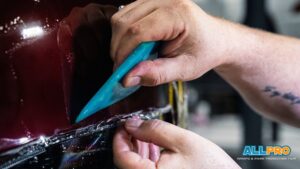
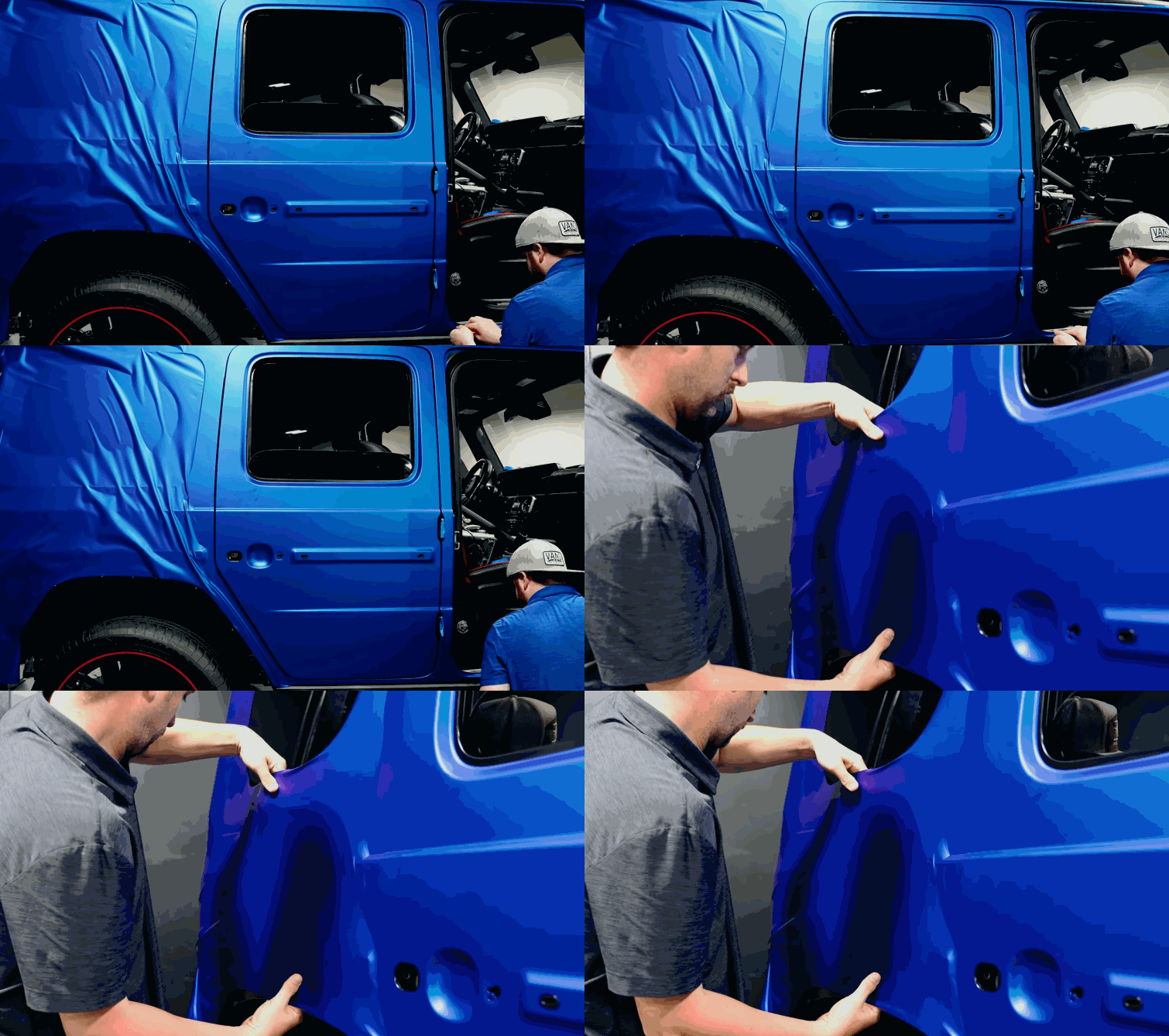 Vinyl wrap installation transforms the vehicle’s look while requiring careful stretching and panel alignment.
Specialty vinyl can increase the overall project cost because vinyl wrap materials vary considerably in purchase price and installation difficulty. Choosing a finish isn’t purely an aesthetic decision because different materials can require different techniques and amounts of labor.
Standard Color-Change Films
Gloss, satin, and matte films are popular choices for a color change wrap because they can dramatically transform a vehicle while remaining relatively straightforward compared with some specialty products.
Specialty and Premium Finishes
Metallic, textured, color-shifting, chrome-like, and other specialty car wrap finishes can move a project toward a higher pricing tier. Certain films require additional attention to material direction and panel-to-panel consistency so the finished appearance remains uniform across the vehicle.
Some specialty materials are also less forgiving around sharp curves, recesses, and complicated bodywork. Those characteristics can increase installation time even when the amount of vinyl required doesn’t change significantly.
Choosing a premium vinyl wrap should ultimately come down to the appearance you want and whether the material is appropriate for your vehicle. Selecting the cheapest available film can save money initially, but material quality and suitability should be considered alongside price when long-term appearance matters.
Does Your Paint Condition Affect Vinyl Wrap Installation Cost?
Paint condition can affect vinyl wrap installation cost when additional cleaning, decontamination, adhesive removal, or other preparation is required. Vinyl needs a suitable underlying surface to adhere correctly and produce a clean finished appearance.
One misconception we frequently encounter is that wrapping a vehicle will automatically hide existing paint problems. Vinyl follows the surface underneath it closely. Chips, dents, peeling clear coat, poorly repaired panels, and significant imperfections can remain noticeable after installation.
Preparation depends on what we find
A well-maintained vehicle may only require standard cleaning and surface preparation. Another vehicle of the same year, make, and model could arrive with old adhesive, stubborn contamination, failing paint, or previous repair work that requires considerably more attention.
There are also situations where deteriorating paint isn’t an appropriate surface for wrapping. Installing vinyl over unstable clear coat or poorly bonded paint can create adhesion problems and complicate eventual film removal.
That’s why at AllPro Wraps, we prefer evaluating the actual vehicle when determining what a project requires. An in-person inspection makes it possible to account for the paint, preparation, body design, and desired coverage rather than producing an estimate based only on the vehicle’s year, make, and model.
Why Professional Vinyl Wrap Installation Costs More Than a Budget Job
Professional installation costs more because proper preparation, careful panel work, precise film placement, and clean finishing require considerable labor and technical skill. With a vinyl wrap, much of what you’re paying for is the workmanship needed to make the material conform naturally to the vehicle.
Surface Preparation
Vinyl needs a clean, properly prepared surface to adhere consistently. Dirt, wax residue, grease, old adhesive, and contamination around edges can interfere with installation. Professionals spend time preparing areas that may barely be visible once the project is finished because those details can influence longevity.
Panel Fitment
Complex bumpers, mirrors, spoilers, recessed areas, and sharp body lines aren’t simply covered with one flat piece of material. Film has to be positioned and manipulated carefully around each shape. Some vehicles may also require selective trim or component removal when appropriate to achieve cleaner coverage.
Edges and Finishing
Edges are where installation quality often becomes noticeable. Careful trimming and finishing help create clean transitions and reduce areas vulnerable to lifting. Rushing this stage can leave visible seams, poorly secured edges, wrinkles, or excessive material.
Installer Experience
An experienced installer knows how much stretch a particular film can tolerate, where seams should be placed, and how to approach difficult contours without distorting the finish. Excessive stretching or poor positioning can create problems that don’t necessarily appear on installation day.
This is why comparing a budget quote with professional vinyl wrap installation requires looking beyond the final dollar amount. A quality vehicle wrap installation includes preparation, material handling, finishing, and expertise. When evaluating a vinyl wrap installer Raleigh NC, the scope and workmanship behind the quote deserve as much attention as the price.
How Raleigh Conditions Affect the Value of a Vinyl Wrap
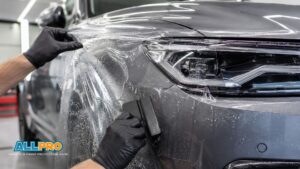
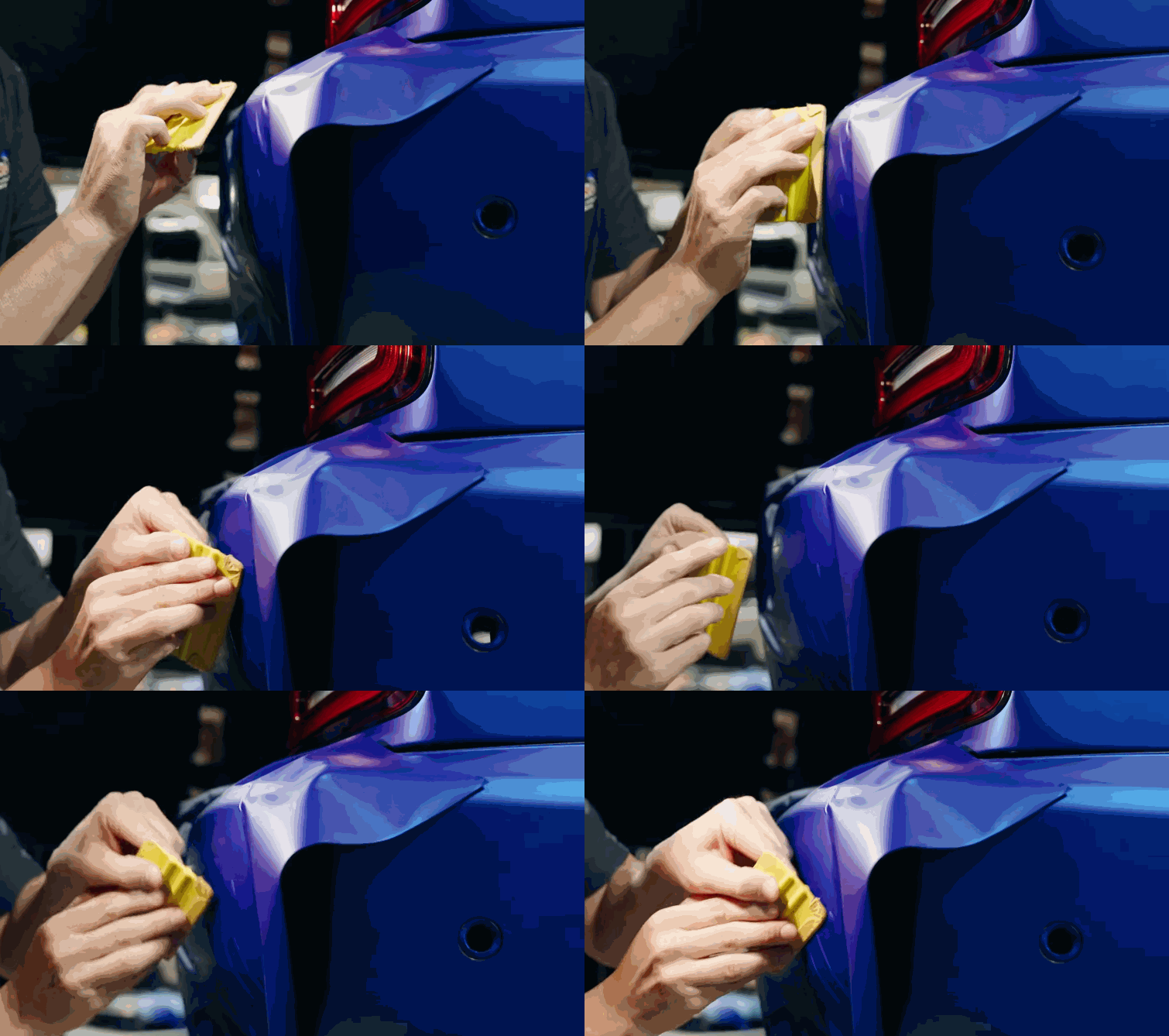 Vinyl wrap is shaped around curved body panels to create a smooth custom finish.
Raleigh’s heat, UV exposure, heavy pollen, and outdoor parking make material quality and proper installation particularly important. A wrap spends its entire service life exposed to the same environment as the vehicle underneath it, so local conditions should factor into both material selection and maintenance.
Vehicles commuting regularly on I-40, I-440, and Capital Boulevard can spend hours exposed to direct sunlight and road grime. Throughout Wake County, outdoor parking adds another layer of exposure, particularly during spring pollen season when vehicles can develop a visible yellow-green coating surprisingly quickly.
A vinyl wrap isn’t the same as paint protection film and shouldn’t be sold as a substitute for PPF when rock-chip resistance is the primary objective. Vinyl’s main purpose is customization. It does provide a layer over healthy paint, but owners should have realistic expectations about the physical protection it offers.
Maintenance matters as well. Regular paint-safe hand washing, prompt contaminant removal, and appropriate wrap-care products can help preserve the finish. Neglecting pollen, bird droppings, sap, and road grime for extended periods can shorten the period during which the material looks its best.
At AllPro Wraps, we consider how a vehicle is stored and driven around Raleigh when discussing materials and installation. The right wrap should fit more than the owner’s preferred color. It should also make sense for the conditions the vehicle will encounter every day.
How to Compare Vinyl Wrap Quotes in Raleigh
The best way to compare vinyl wrap quotes is to determine exactly what each price includes. A lower quote isn’t necessarily a better deal, and a higher quote isn’t automatically evidence of better workmanship.
For example, a $2,800 quote and a $4,500 quote could represent very different projects even when both are described as full wraps. The difference might involve premium versus budget materials, the amount of preparation included, how difficult panels are handled, whether existing vinyl must be removed, or how edges and seams are finished.
Before accepting a vinyl wrap estimate, ask about:
- Which film manufacturer and product line will be used?
- Exactly which exterior surfaces are included in the quoted coverage?
- Which edges can be wrapped and where exposed edges or seams may remain?
- What surface preparation is included before installation?
- Does existing vinyl or adhesive removal cost extra?
- What warranty applies to the material and installation?
- What maintenance will the wrap require afterward?
Seasonal promotions can occasionally reduce advertised vinyl wrap cost Raleigh NC, but a discount shouldn’t replace those questions. A car wrap quote only becomes useful when you understand what you’re receiving for the price.
Comparing the full scope helps separate genuine value from a number that simply looks attractive upfront. Materials, preparation, coverage, craftsmanship, and support after installation all contribute to the actual cost of owning a professionally wrapped vehicle.
Is a Vinyl Wrap Worth the Cost?
A vinyl wrap can be worth the investment for owners who want to dramatically change their vehicle’s appearance without permanently repainting a healthy factory finish. Its value comes primarily from customization, finish variety, and reversibility rather than heavy-duty physical paint protection.
For many owners, the appeal is flexibility. Gloss, satin, matte, metallic, and more distinctive specialty finishes can create an appearance that would be difficult or expensive to reproduce through traditional paint. When the wrap eventually reaches the end of its useful life, professional removal can return the vehicle to the underlying finish, assuming the original paint was healthy and suitable for wrapping.
A professional full-wrap investment of roughly $2,500 to $6,000+ makes the most sense when quality matters. Spending thousands of dollars on customization only to compromise on preparation or workmanship can undermine the reason for wrapping the vehicle in the first place.
For Raleigh drivers planning to keep their vehicles wrapped and maintain them properly, the value is less about finding the cheapest possible color change and more about getting the appearance they actually want from an installation designed to hold up well over time.