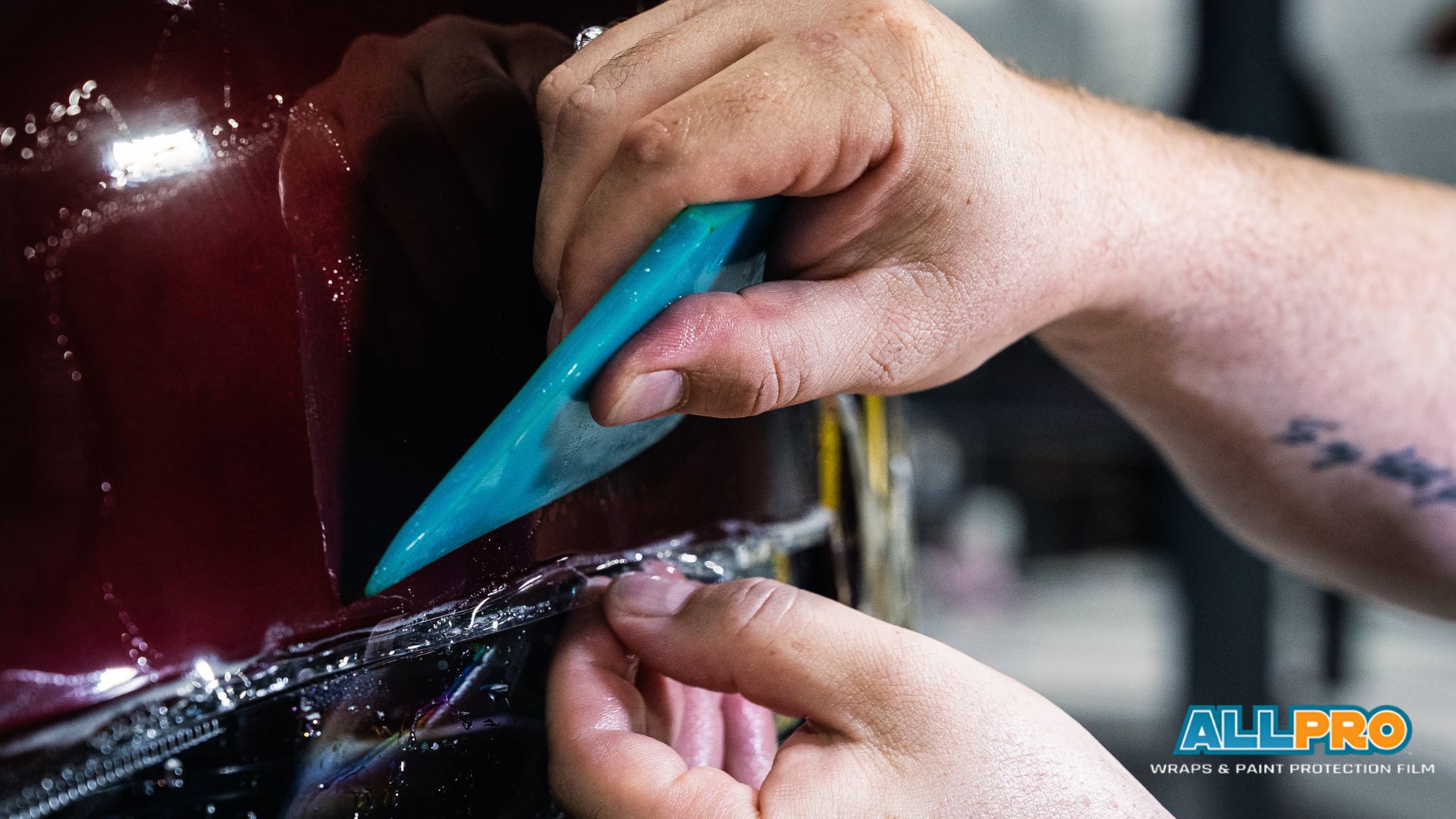
The most common mistakes when getting paint protection film installed are choosing an installer based only on price, skipping proper paint preparation, selecting coverage that doesn’t match how the vehicle is driven, and neglecting post-installation care. Any of these decisions can reduce the value of a product that’s designed to protect your paint for years.
A successful PPF installation starts before the first piece of film touches the vehicle. Paint condition needs to be evaluated, the right areas need to be selected for coverage, and the installation itself needs to be handled with precision. What happens after the vehicle leaves the shop matters too.
For Raleigh drivers, the priorities are straightforward: evaluate the existing paint, choose an experienced installer, protect the panels that receive the most exposure, and follow proper aftercare. Paint correction should also be considered when existing imperfections would remain visible underneath the transparent film, but it isn’t something every vehicle automatically needs.
At AllPro Wraps, we’ve found that the best results usually come from treating PPF as a complete protection process rather than simply another product applied to the paint. Raleigh’s highway traffic, construction activity, pollen, and everyday road debris make getting those details right particularly important.
Mistake: Choosing a PPF Installer Based Only on Price
The cheapest PPF quote can become an expensive decision when low pricing comes at the expense of preparation, materials, or workmanship. Price matters, but it shouldn’t be the only factor separating one installer from another.
A skilled professional PPF installer should be able to explain what happens before, during, and after installation. That includes evaluating the paint, discussing the film being used, identifying which panels make sense to protect, and setting realistic expectations for the finished result.
A few warning signs deserve extra attention:
- The quote doesn’t clearly explain what coverage or preparation is included.
- The installer makes unrealistic claims about what the film can prevent.
- There is little discussion of your vehicle’s existing paint condition.
- The installer can’t clearly explain edge finishing, film placement, or aftercare.
- Every customer is pushed toward essentially the same package regardless of driving habits.
At AllPro Wraps, we believe Raleigh owners should compare the complete service rather than one number at the bottom of an estimate. When evaluating PPF installation Raleigh NC, workmanship, preparation, film quality, and installer experience collectively determine how much vehicle paint protection you’re actually receiving.
Mistake: Installing PPF Over Paint That Has Not Been Properly Prepared
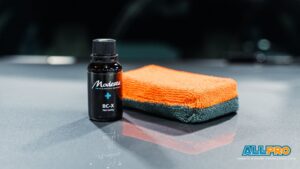
Paint protection film should only be installed after the underlying surface has been thoroughly cleaned, decontaminated, and inspected. Whatever remains underneath a transparent film can affect both the appearance and quality of the finished installation.
Raleigh makes PPF surface preparation especially important. Heavy spring pollen can settle into exterior surfaces quickly, while normal driving adds road film, insects, mineral deposits, and other contaminants. A vehicle that looks reasonably clean from several feet away can still have bonded contamination that a basic wash won’t remove.
Proper paint decontamination addresses those materials before installation. The surface should then be inspected closely for water spots, scratches, swirl marks, or other defects that deserve attention before the film is positioned.
Skipping these steps creates problems that are difficult to address afterward. Contamination trapped beneath transparent film may remain visible, while residue left on the surface can interfere with film adhesion. Taking additional time during preparation is far preferable to compromising an installation designed to remain on the vehicle for years.
Mistake: Assuming Every Car Needs Paint Correction Before PPF
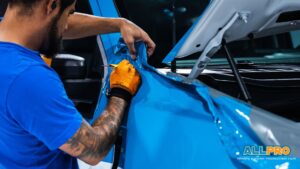
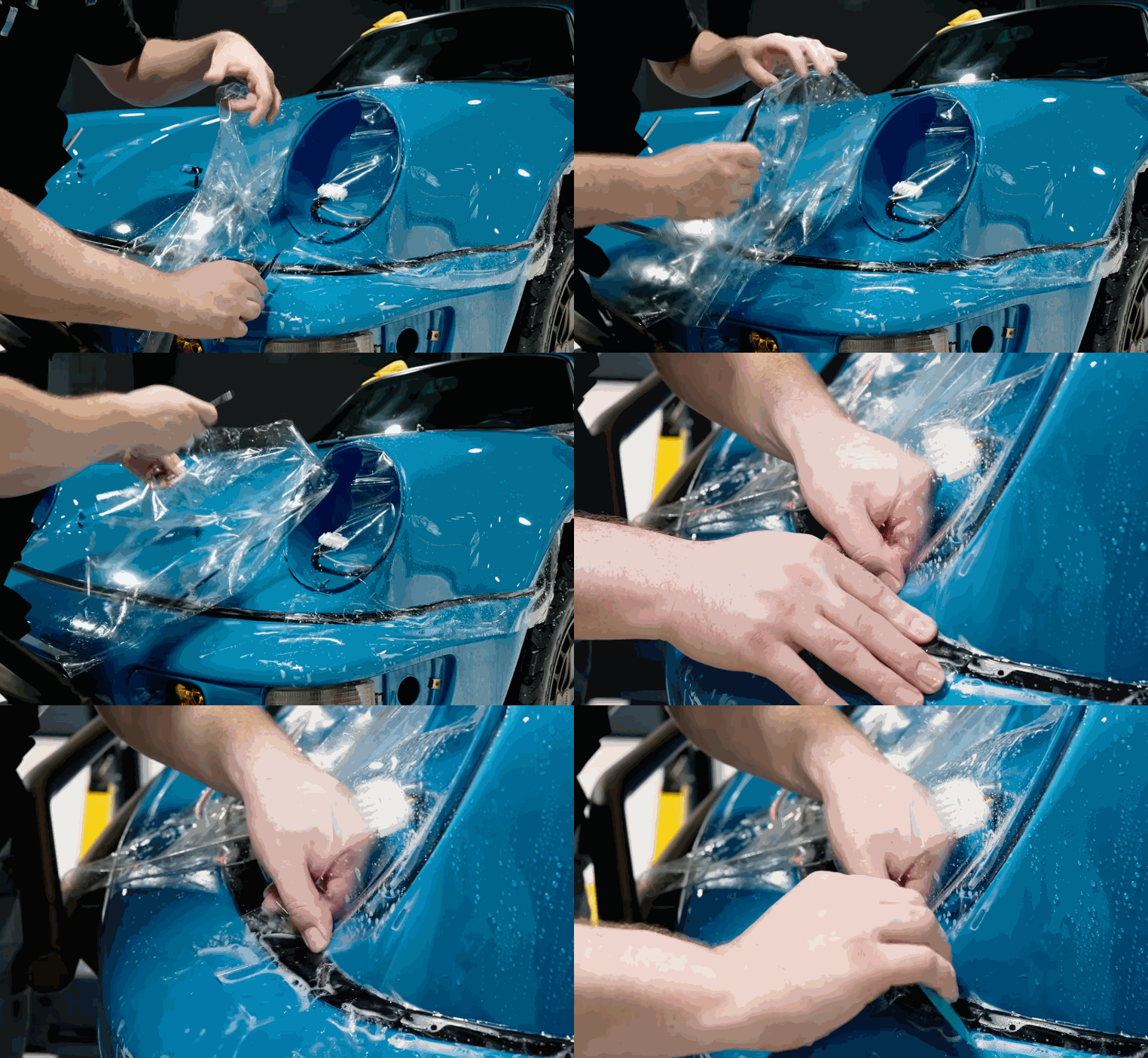 Paint protection film is shaped around detailed front end areas for a clean protective fit.
Paint correction is worth performing before PPF when visible paint defects would otherwise remain beneath the film, but it should never be treated as an automatic requirement for every vehicle. The appropriate level of correction depends entirely on the condition of the paint.
A Brand-New Vehicle
New doesn’t necessarily mean flawless. Transportation, dealership preparation, and improper washing can leave light swirl marks or scratches. A careful paint inspection determines whether those imperfections justify correction or whether the finish is already ready for PPF.
A Well-Maintained Daily Driver
A vehicle that has been washed carefully and protected consistently may need little or no correction. Decontamination and proper PPF paint preparation could be enough to create the surface needed for installation.
A Vehicle With Visible Paint Defects
Swirl marks, oxidation, water spots, and light scratches become more important when transparent film is going over them. In these situations, paint correction before PPF can substantially improve the finished appearance.
Correction removes a measurable amount of clear coat, so more isn’t automatically better. A healthy clear coat should be preserved whenever possible. The objective is to create the best reasonable surface for PPF, not aggressively polish every vehicle simply because correction can be added to the service.
Mistake: Protecting the Wrong Areas for How You Drive
PPF coverage should reflect where your vehicle actually receives the most exposure. A Raleigh commuter traveling I-40 every morning has different protection priorities than a garage-kept vehicle driven primarily on weekends.
- Front bumper and hood: High priorities for frequent I-40 and I-440 driving because they face direct impacts from rocks and airborne road debris.
- Front fenders and mirrors: Valuable additions for vehicles accumulating substantial highway mileage.
- Rocker panels: Particularly vulnerable to gravel and debris thrown upward by the tires.
- Door edges and door cups: Practical protection against repeated contact during parking and everyday use.
- Full-body coverage: Better suited to owners seeking maximum paint preservation across nearly every exterior painted surface.
Choosing strategically doesn’t necessarily mean buying the smallest package or covering the entire vehicle. The better value comes from putting protection where your particular vehicle is most likely to need it.
At AllPro Wraps, we prefer to understand how someone drives before recommending coverage. Commute length, highway mileage, parking conditions, vehicle type, ownership plans, and budget can all change what makes sense. Matching the paint protection film package to those factors creates protection that serves a practical purpose instead of simply adding more film.
Mistake: Ignoring the Installation Environment and Technique
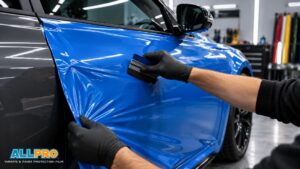
A controlled installation environment and careful application technique directly affect PPF clarity, adhesion, and longevity. Even excellent film can produce disappointing results when contamination control or installation precision is treated as an afterthought.
During professional PPF installation, technicians need to control dust and other airborne contaminants that could become trapped between the adhesive and paint. Film positioning also matters because modern vehicles often have sharp body lines, recessed areas, sensors, vents, and complex curves that require careful handling.
Small installation details create big differences
Film positioning determines whether coverage follows the panel naturally without unnecessary seams or awkward transitions.
Edge finishing helps create a cleaner appearance and reduces vulnerable areas where lifting could eventually begin.
Stretch management is particularly important around complex contours. Excessive tension can distort the film or place unnecessary stress on the adhesive.
Contamination control keeps particles from becoming permanent visual imperfections underneath an otherwise clear surface.
Trapped debris, excessive stretching, visible seams, and poorly finished edges can compromise premium film. That’s why choosing an experienced paint protection film installer matters as much as choosing the material itself. Strong PPF installation quality comes from combining the right product with the environment and technique necessary to install it correctly.
Mistake: Expecting PPF to Make Existing Damage Disappear
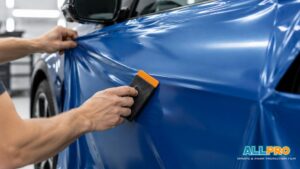
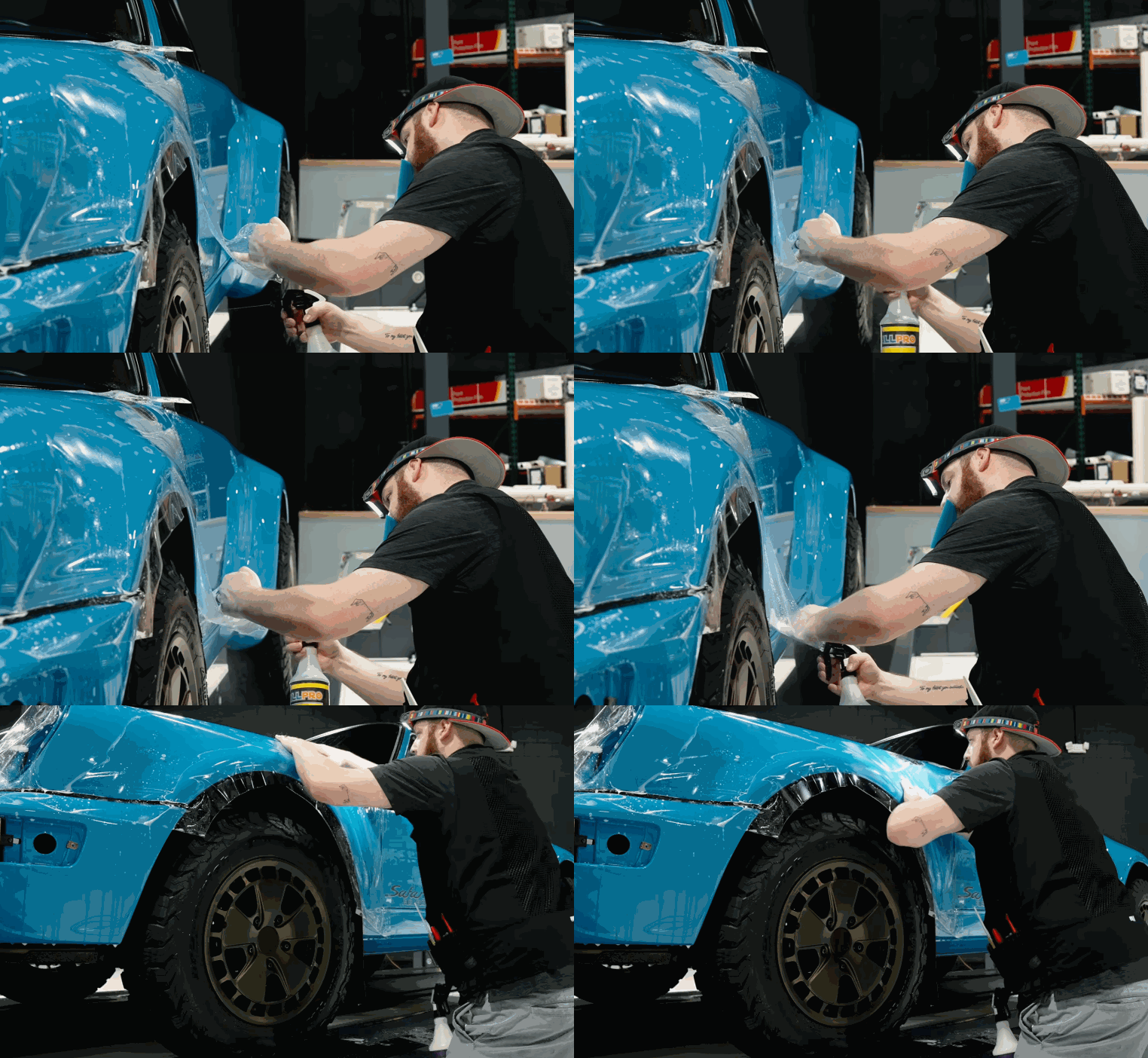 Paint protection film is installed along curved body panels to help protect the paint from road wear.
Transparent PPF protects the condition underneath it. It does not automatically conceal chips, deep scratches, poorly applied touch-up paint, or significant imperfections that were already present before installation.
This distinction matters because owners sometimes expect the film itself to restore the paint. While PPF can improve the overall appearance of a well-prepared surface, it’s fundamentally a protective layer, not a replacement for paint repair or correction.
A thorough inspection before installation helps determine what can realistically be improved. Light swirl marks and certain superficial defects may respond well to paint correction, while deep scratches that penetrate beyond the clear coat require a different approach. Rock chips and previous touch-up work may also remain noticeable through transparent film.
The objective isn’t to chase absolute perfection by aggressively correcting every panel. Each vehicle should receive only the preparation its paint actually needs. Selective correction can improve the final result while preserving as much healthy factory clear coat as possible, leaving the vehicle with a strong foundation for long-term protection.
Mistake: Treating the First Few Days After Installation Like Normal
Freshly installed paint protection film needs time for residual installation moisture, adhesive, and the film itself to settle. Treating the vehicle exactly as you did before installation can create avoidable issues during this early period.
Some temporary characteristics can be normal shortly after installation, and they may change as the film settles. This is why PPF aftercare should be based on the specific instructions provided by your installer rather than assumptions about when the vehicle is ready for normal washing.
A few precautions can make this period much easier:
- Follow the recommended PPF curing period before washing the vehicle.
- Avoid directing high-pressure water toward film edges until advised that normal washing can resume.
- Don’t pick at edges or attempt to flatten questionable areas yourself.
- Allow temporary moisture or minor installation characteristics time to settle when your installer indicates they are normal.
- Contact the installer if something doesn’t look right instead of attempting a DIY correction.
At AllPro Wraps, clear aftercare instructions are part of the installation process because what happens after the vehicle leaves our shop still matters. Proper paint protection film maintenance during those first days helps give the film the opportunity to settle correctly before returning to normal vehicle care.