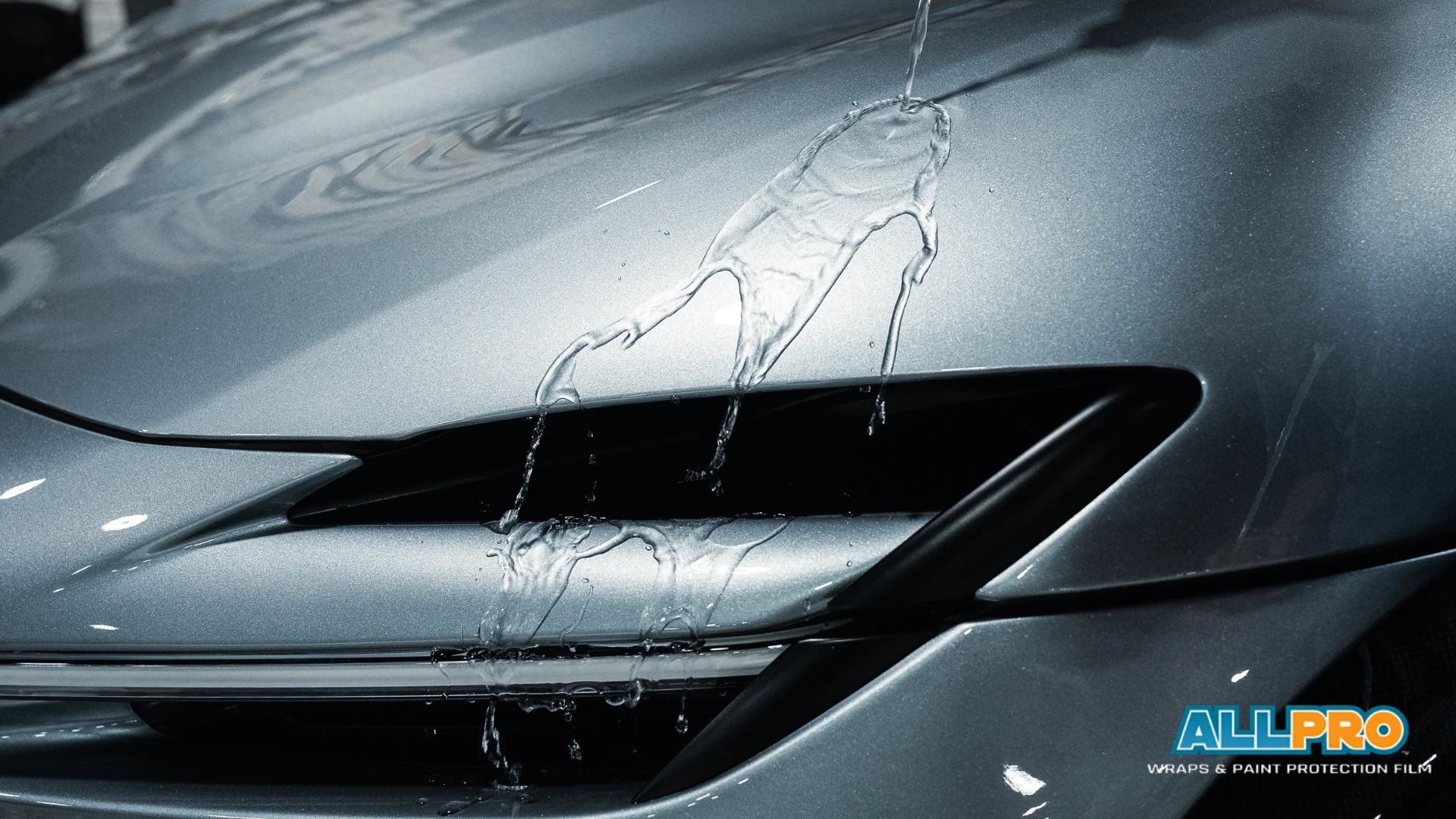
Ceramic coating can provide enough protection for drivers primarily concerned with environmental contamination, easier cleaning, and maintaining their vehicle’s appearance. However, it cannot replace paint protection film (PPF) when preventing rock chips, deeper scratches, and physical road damage is the priority.
That distinction matters because the word protection can mean different things depending on how a vehicle is used. Someone who wants to spend less time removing road grime has different concerns from a driver trying to prevent paint chips across a new car’s front bumper.
For Raleigh vehicle owners, the decision often comes down to commuting habits, parking conditions, and how much physical damage they’re willing to risk. At AllPro Wraps, we approach ceramic coating as a valuable paint-care solution, but we don’t recommend treating it as a replacement for a product designed to absorb physical impacts.
What Does Ceramic Coating Actually Protect Against?
A professionally applied ceramic coating creates a thin, chemically resistant layer over automotive clear coat that helps reduce contaminant adhesion and makes routine cleaning easier. Its primary advantages involve surface maintenance and resistance to certain environmental exposures rather than preventing physical damage.
Some of its most useful benefits include:
- Road grime and dirt: Contaminants generally release more easily from a properly maintained coated surface.
- Bird droppings and insect residue: Added chemical resistance can help reduce their impact when they’re removed promptly.
- Water behavior: Hydrophobic properties encourage water to bead and roll away, although water spots can still develop.
- UV exposure: Certain coating formulations offer additional resistance to environmental degradation, but they don’t make paint immune to fading.
- Routine maintenance: Washing and drying can become more manageable because contamination tends to bond less aggressively.
These advantages are particularly relevant around Raleigh, where spring pollen, summer heat, and frequent rain create recurring maintenance demands.
Professional ceramic coating can make those conditions easier to manage. However, it won’t prevent a sharp stone from chipping the clear coat, regardless of how impressive the coating’s water behavior looks.
Why Can't Ceramic Coating Replace Paint Protection Film?
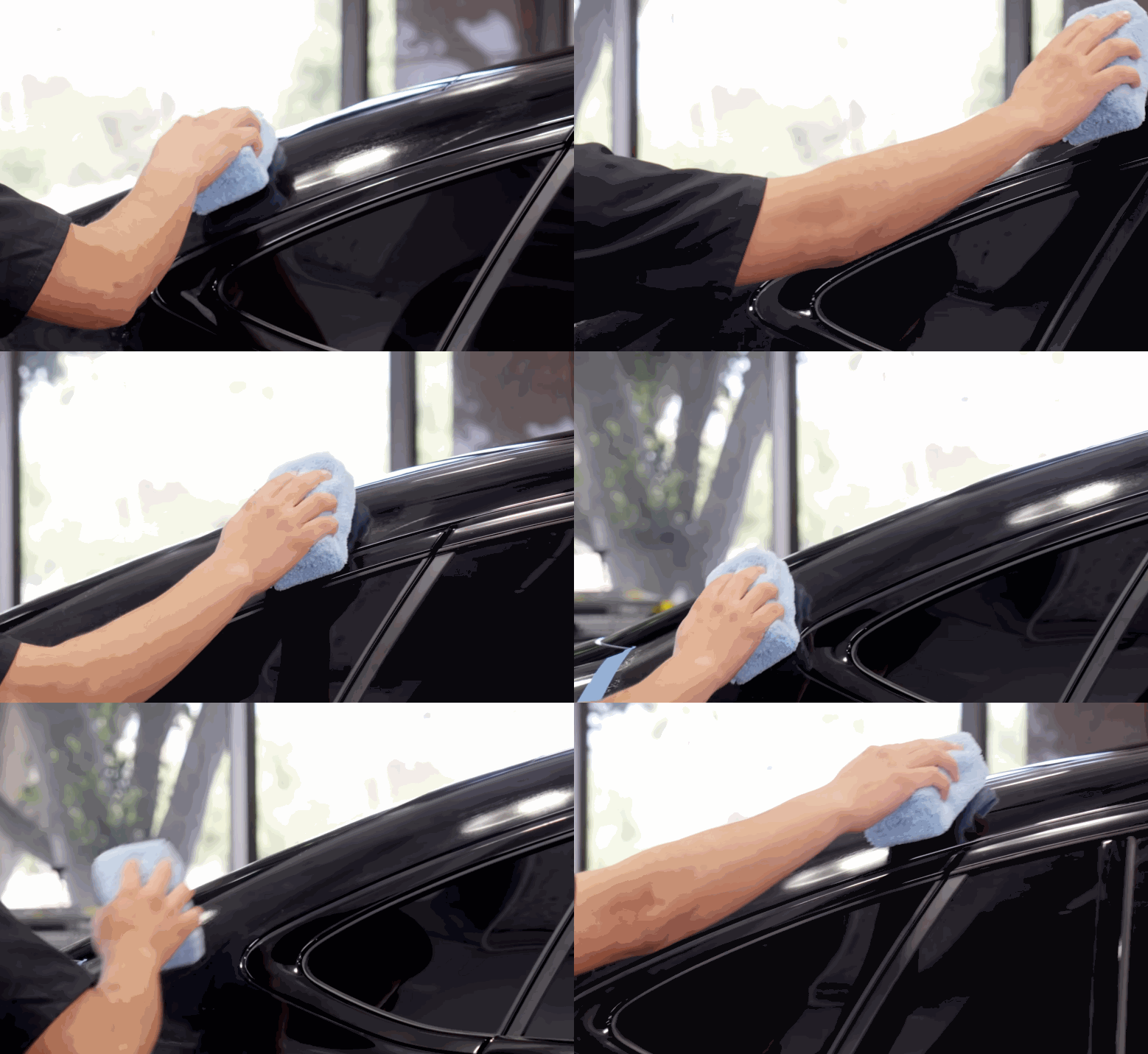
Ceramic coating cannot replace paint protection film because the two products have fundamentally different physical properties. A coating forms an extremely thin layer over the paint, while PPF is a substantially thicker, flexible film designed to absorb and resist certain impacts and abrasions.
Put Ceramic Coating and PPF to the Test
Choose a real-world threat and run a visual demonstration to explore the different protective roles of ceramic coating and PPF.
Very thin coating designed primarily for surface behavior and maintenance.
Thicker, flexible protection designed to reduce certain impacts and abrasions.
Visual illustration only — not a physical test or performance guarantee.
Gravel Impact: Why Film Matters
Road debris can hit painted panels with enough energy to damage the clear coat. Ceramic coating is not designed to absorb these impacts, while PPF offers a flexible physical barrier.
A ceramic coating cannot reliably prevent rock chips caused by gravel impacts.
PPF can help absorb some road-debris impacts and reduce the chance that damage reaches the paint.
For rock chips and highway debris, PPF is the more appropriate protective product. Neither option guarantees that every impact will be prevented.
The layer thicknesses and animated impacts are not to scale. This demonstration illustrates differences in product purpose, not measured impact resistance or guaranteed outcomes.
Ceramic Coating: Surface Resistance
A coating chemically bonds to or adheres strongly to a properly prepared surface, depending on its formulation. It improves cleaning characteristics and provides resistance to some environmental contaminants.
Even when marketed with high hardness ratings, a coating shouldn't be expected to stop gravel impacts, deep scratches, or significant abrasion. Hardness claims don't establish that a product can absorb the energy of a road-debris impact.
PPF: Physical Impact Resistance
Paint protection film creates a flexible barrier between the painted surface and external contact. Quality films can help prevent many common rock chips and light abrasions, particularly on vulnerable areas such as bumpers, hoods, fenders, and mirrors.
Many modern PPF products also feature self-healing topcoats that can reduce the appearance of certain superficial marks when exposed to appropriate heat.
Neither product makes a vehicle damage-proof. The difference is that PPF is engineered to address physical threats that a ceramic coating simply isn't designed to handle.
Is Ceramic Coating Enough for Daily Driving in Raleigh, NC?
Ceramic coating alone can be a reasonable choice for Raleigh daily drivers who prioritize easier maintenance and accept that their paint remains vulnerable to rock chips and scratches. Whether that level of protection is sufficient depends on the roads traveled and the owner’s expectations.
A vehicle frequently commuting on I-40 or I-440 encounters highway debris, loose gravel, and contamination from surrounding traffic. Those conditions can expose front-facing painted panels to impacts that a coating won’t reliably prevent.
Driving along Capital Boulevard or through developing areas of Wake County introduces additional exposure to construction dust, road grime, and airborne contaminants. These are conditions where a coating’s easier-cleaning properties become useful, even though it doesn’t provide impact protection.
We also consider how long an owner plans to keep the vehicle. Someone comfortable with occasional paint chips may find coating alone perfectly reasonable. A driver who wants to maintain a newer vehicle’s original finish as carefully as possible may prefer adding PPF to the most exposed panels.
The better question isn’t whether ceramic coating application provides protection. It does. The question is whether that protection addresses the specific damage you’re trying to avoid.
What Happens If You Choose Ceramic Coating Without PPF?
Choosing ceramic coating without PPF means gaining the coating’s surface-maintenance benefits while leaving the paint exposed to physical impacts. That’s not necessarily a poor decision, but it is a tradeoff worth understanding before installation.
Consider the difference between two types of damage.
A layer of pollen or road film can often be removed more easily from a properly maintained coated surface. The coating helps by reducing how strongly that contamination adheres to the finish.
A stone striking the hood at highway speed is different. The coating doesn’t have the thickness or flexibility needed to absorb that impact in the way PPF is designed to. A chip can still reach the underlying paint, and applying additional coating layers won’t turn the surface into an impact-resistant film.
At AllPro Wraps, we believe the most useful recommendation starts with identifying the actual concern. Coating alone can be worthwhile for owners focused on appearance and maintenance. For drivers particularly concerned about highway debris, combining it with targeted paint protection film may provide a more appropriate solution.
The second half will cover whether combining both products is worthwhile, which vehicle areas deserve PPF first, how to choose based on budget, and the final recommendation for Raleigh drivers, followed by the meta title and meta description.
Is It Worth Combining Ceramic Coating With PPF?
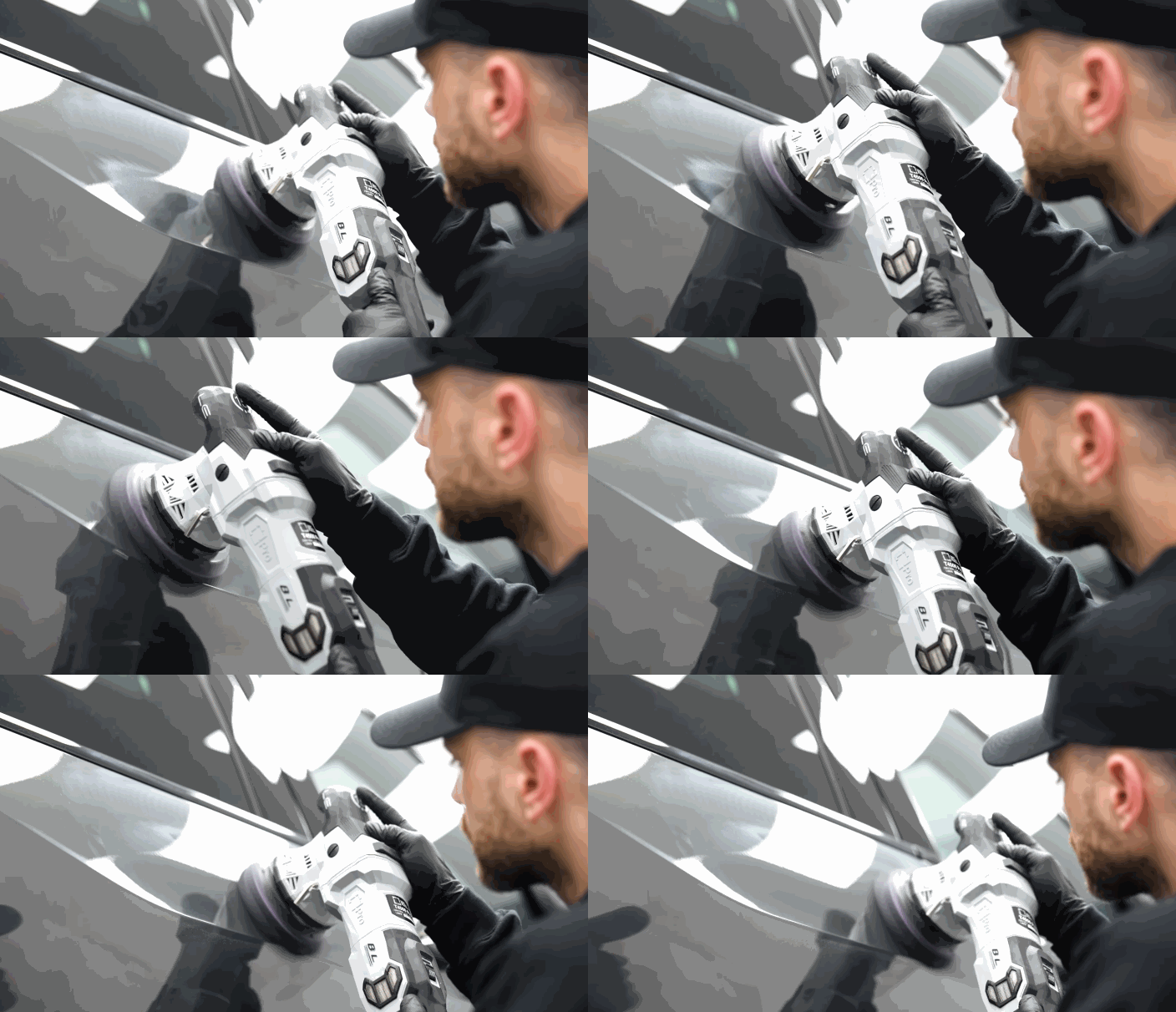
Combining ceramic coating and PPF is worth considering when you want physical paint protection and easier exterior maintenance. The two products address different concerns, so using them together can provide a more comprehensive approach without expecting either one to do everything.
Paint protection film handles much of the physical exposure on vulnerable panels, while ceramic coating improves surface behavior and helps make regular cleaning more manageable.
For Raleigh drivers, a practical combination might involve installing PPF on the front end and applying ceramic coating to the remaining painted surfaces. Compatible coatings can also be applied over certain PPF products, provided the film manufacturer’s requirements are followed.
This approach can offer several advantages:
- Impact resistance: PPF helps protect exposed panels from many common rock chips and light abrasions.
- Easier cleaning: Ceramic coating reduces contaminant adhesion on compatible treated surfaces.
- Consistent maintenance: Coating both exposed paint and compatible film can simplify exterior care.
- Flexible coverage: Owners can select PPF coverage according to their driving habits and budget.
The combination isn’t mandatory for every vehicle. However, it makes sense when preserving the paint’s physical condition and reducing maintenance effort are equally important.
Which Parts of Your Car Need PPF the Most?
The front bumper, hood, front fenders, and side mirrors are usually the highest-priority areas for paint protection film because they receive frequent exposure to road debris. Protecting these panels first can be a practical alternative to wrapping the entire vehicle.
Explore the Most Exposed Areas
Select a protection zone to highlight it on the vehicle and understand why coverage may be worthwhile.
Orange highlights show the selected protection zone.
Front Bumper & Hood
These forward-facing surfaces receive direct exposure to stones, gravel, and debris thrown by surrounding traffic.
Often the first areas to consider for regular highway driving, especially when protecting clean original paint.
Front Bumper and Hood
These surfaces face oncoming debris directly. Gravel and small stones thrown by surrounding traffic can leave visible chips, especially during regular highway driving.
Side Mirrors and Front Fenders
Mirrors and forward-facing fender areas are also exposed to debris. Their shapes can make existing paint damage particularly noticeable once chips begin accumulating.
Rocker Panels and Lower Doors
Lower body panels may encounter debris thrown by the vehicle's own tires. Drivers regularly traveling roads with loose gravel or construction activity may benefit from additional coverage here.
For Raleigh commuters using I-40, I-440, and surrounding highways, choosing paint protection film for these areas can address physical damage that ceramic coating alone cannot prevent.
Coverage should reflect the vehicle, not a one-size-fits-all package. The right PPF selection depends on the vehicle's design and driving conditions rather than assuming every car needs the same coverage.
Should You Choose Ceramic Coating or PPF on a Limited Budget?
Ceramic coating is often the better starting point when easier washing and environmental resistance are your priorities, while PPF deserves priority when preventing rock chips is the main concern. A limited budget doesn’t automatically mean choosing the less expensive product.
The decision becomes easier when you identify what bothers you most about vehicle ownership.
Someone frustrated by pollen, water behavior, and frequent washing may appreciate the practical benefits of a professionally applied coating. A driver who recently purchased a new vehicle and wants to avoid front-end paint chips may get more value from targeted PPF.
There is also no requirement to protect every panel immediately. Installing film on the most vulnerable areas can be a sensible first step, with ceramic coating added later when the budget allows.
One important detail is installation order. When both products are planned, PPF is generally installed before ceramic coating. Existing coatings may interfere with film adhesion and can require additional preparation or removal before installation.
The goal is to spend money on protection that addresses a real concern, not simply purchase the largest package available.
Does Ceramic Coating Make PPF Unnecessary on New Cars?
A new vehicle can benefit from ceramic coating, but coating alone doesn’t make PPF unnecessary when maintaining the original paint against physical road damage is important. In fact, new cars are often ideal candidates for protective film because their painted surfaces may have little existing impact damage.
This doesn’t mean every new car needs full-body PPF. Ownership plans, mileage, vehicle value, and personal expectations all influence the decision.
A Raleigh driver planning to keep a new vehicle for many years may prioritize preventing chips on the front end. Someone leasing a vehicle for a shorter period may decide that coating alone provides enough maintenance convenience for their needs.
At AllPro Wraps, we consider those differences before recommending coverage. A newer vehicle isn’t automatically a reason to purchase every available protection service.
What matters is understanding that ceramic coating helps maintain the finish, while PPF can help preserve the physical condition of vulnerable painted panels. Choosing one doesn’t make the other ineffective or unnecessary for every owner.
Conclusion: Is Ceramic Coating Enough for Your Vehicle?
Ceramic coating can be enough when your main priorities are easier cleaning, environmental resistance, and maintaining a glossy, well-kept appearance. However, it isn't enough when you expect protection against rock chips, deeper scratches, and other physical road damage.
Better suited to easier cleaning, water behavior, and maintaining a well-kept exterior.
Better suited to rock chips, minor physical impacts, and vulnerable painted panels.
Consider compatible PPF and coating systems when physical protection and easier maintenance both matter.
For Raleigh drivers, the right choice depends on daily mileage, highway exposure, parking conditions, vehicle value, and long-term ownership expectations. Coating alone can be a sensible investment, while targeted PPF or a combination of both may provide better value when physical paint preservation matters.
The best protection is the protection your vehicle actually needs. At AllPro Wraps, we help vehicle owners throughout Raleigh and Wake County choose protection based on how they actually use their cars. Whether you're considering ceramic coating, PPF, or both, our priority is recommending coverage that addresses your concerns without unnecessary extras.
Let's Find the Right Protection for Your Vehicle
Contact us today to discuss ceramic coating and paint protection options for your vehicle and receive a personalized recommendation from our Raleigh team.
Contact AllPro Wraps →